What permits are required for land clearing in Northern Minnesota?
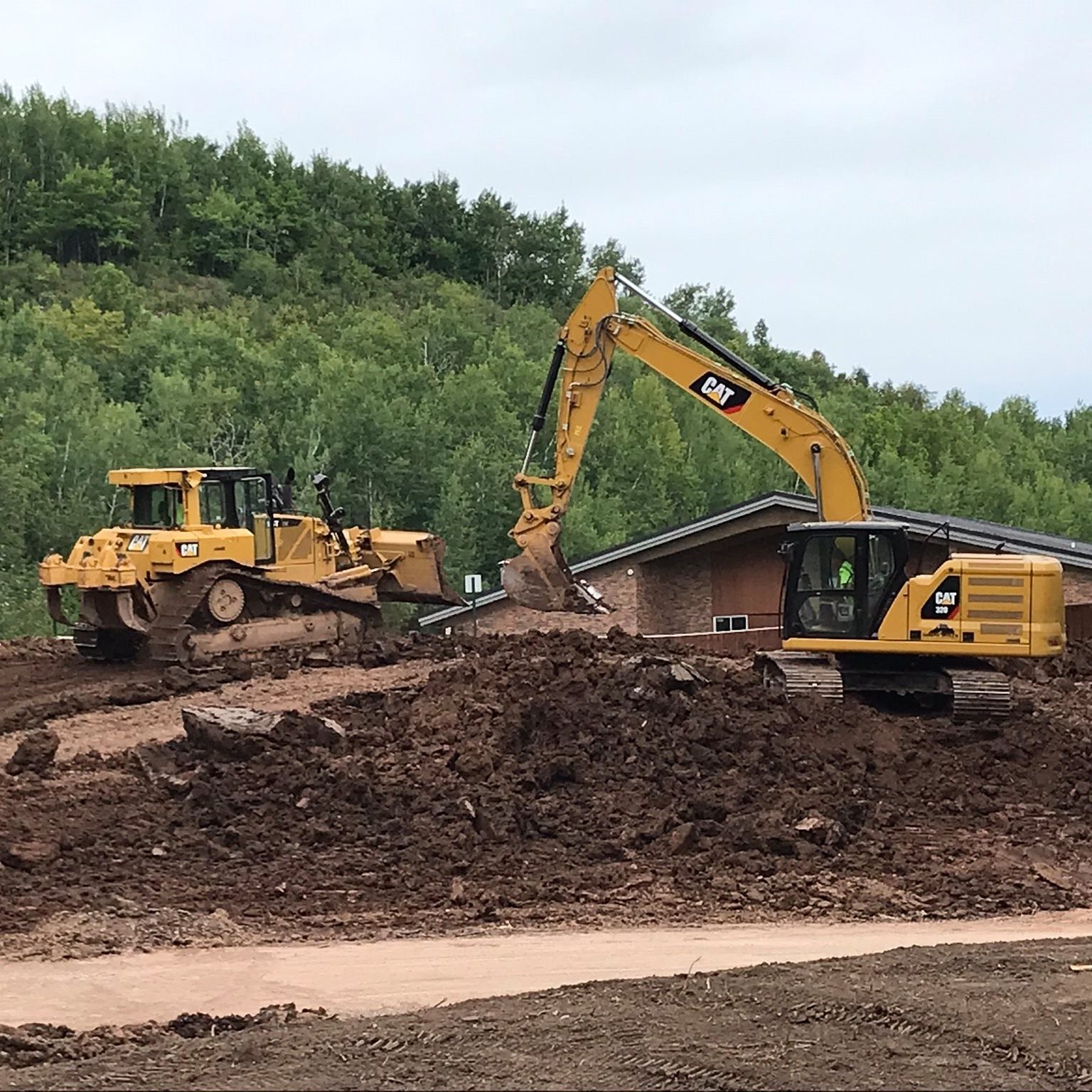
Land clearing typically requires multiple permits depending on location and scope. These may include local land alteration permits, watershed district approvals, and MPCA permits if the area exceeds one acre. Additional permits may be required for work near wetlands, shorelines, or protected habitats. Our team assists with identifying and obtaining all necessary permits before beginning your clearing project.
How do you determine which trees to preserve during selective clearing?
We evaluate trees based on species, health, location, size, and your development plans. Desirable native species, healthy mature specimens, and trees in locations compatible with your site plan are candidates for preservation. We work with your design team to identify valuable trees and implement protection measures during clearing operations to ensure their survival.
What methods do you use for stump removal?
We employ multiple stump removal methods depending on site conditions and project requirements. These include mechanical extraction with specialized equipment, grinding for areas where soil disturbance should be minimized, and in some cases, complete excavation of root systems. Our approach ensures complete removal while preparing the soil properly for future construction.
How do you handle cleared material and debris?
We offer several options for managing cleared material. Trees with commercial value may be harvested for lumber or firewood. Other vegetation can be processed into mulch for erosion control or landscaping. Some material may be burned with proper permits or transported to appropriate disposal facilities. We recommend the most environmentally responsible and cost-effective approach for your specific project.
What erosion control measures do you implement during land clearing?
Our comprehensive erosion control approach includes installing silt fences or other perimeter controls before clearing begins, preserving vegetative buffer zones near water bodies, implementing phased clearing to minimize exposed soil, establishing temporary stabilization on cleared areas, and installing sediment basins where needed. These measures protect water quality and comply with all regulatory requirements.
Can land clearing be done in winter in Northern Minnesota?
Winter can actually be an ideal time for land clearing in Northern Minnesota. Frozen ground minimizes soil disturbance and compaction, reduces the risk of erosion, and provides better access to wetland areas. The absence of foliage makes tree assessment easier, and there are fewer concerns about wildlife nesting. Our specialized equipment and experienced operators work effectively in winter conditions.