How do I know if my property has drainage problems?
Common signs of drainage issues include standing water after rain, soggy lawn areas, water in basements or crawlspaces, eroding soil, foundation cracks, mold or mildew, and dying plants or trees. If you notice any of these symptoms, a professional drainage assessment can identify the underlying causes and appropriate solutions for your specific situation.
What drainage solutions work best in Northern Minnesota's climate?
Northern Minnesota's climate requires drainage systems that handle spring snowmelt, summer thunderstorms, and function during freeze-thaw cycles. Effective solutions include properly sloped surfaces, subsurface drain systems installed below frost depth, oversized culverts to handle peak flows, and retention systems designed for our specific precipitation patterns. Our local experience ensures systems tailored to our unique climate challenges.
How do French drains work and when are they appropriate?
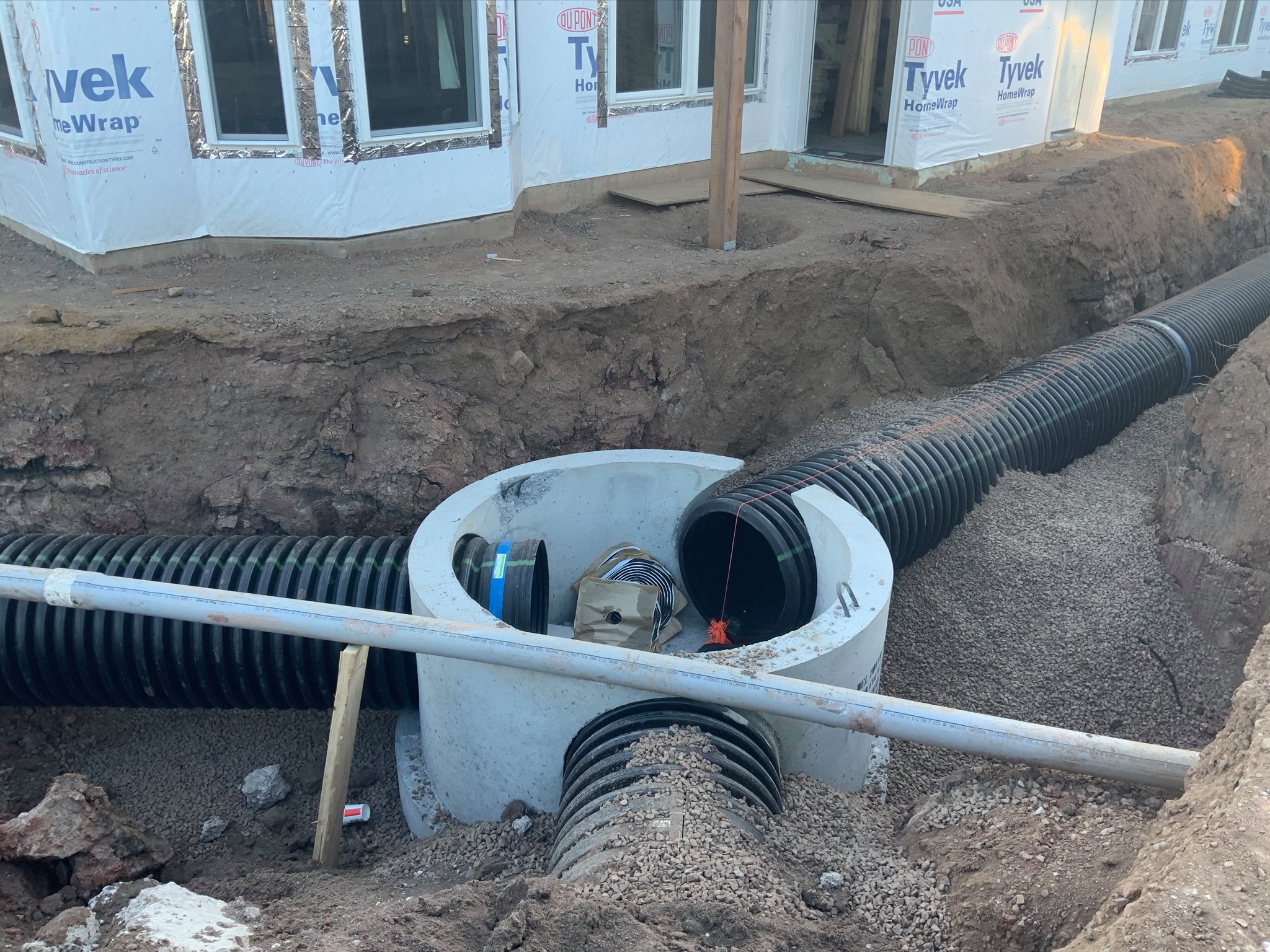
French drains consist of perforated pipe surrounded by gravel in a trench, creating a subsurface water collection and transport system. They're ideal for intercepting groundwater before it reaches structures, draining low spots where surface drainage isn't possible, relieving hydrostatic pressure against foundations, and managing water in landscaped areas. We design French drains with proper slope, filtration fabric, and appropriate discharge points for optimal performance.
What's the difference between retention and detention in stormwater management?
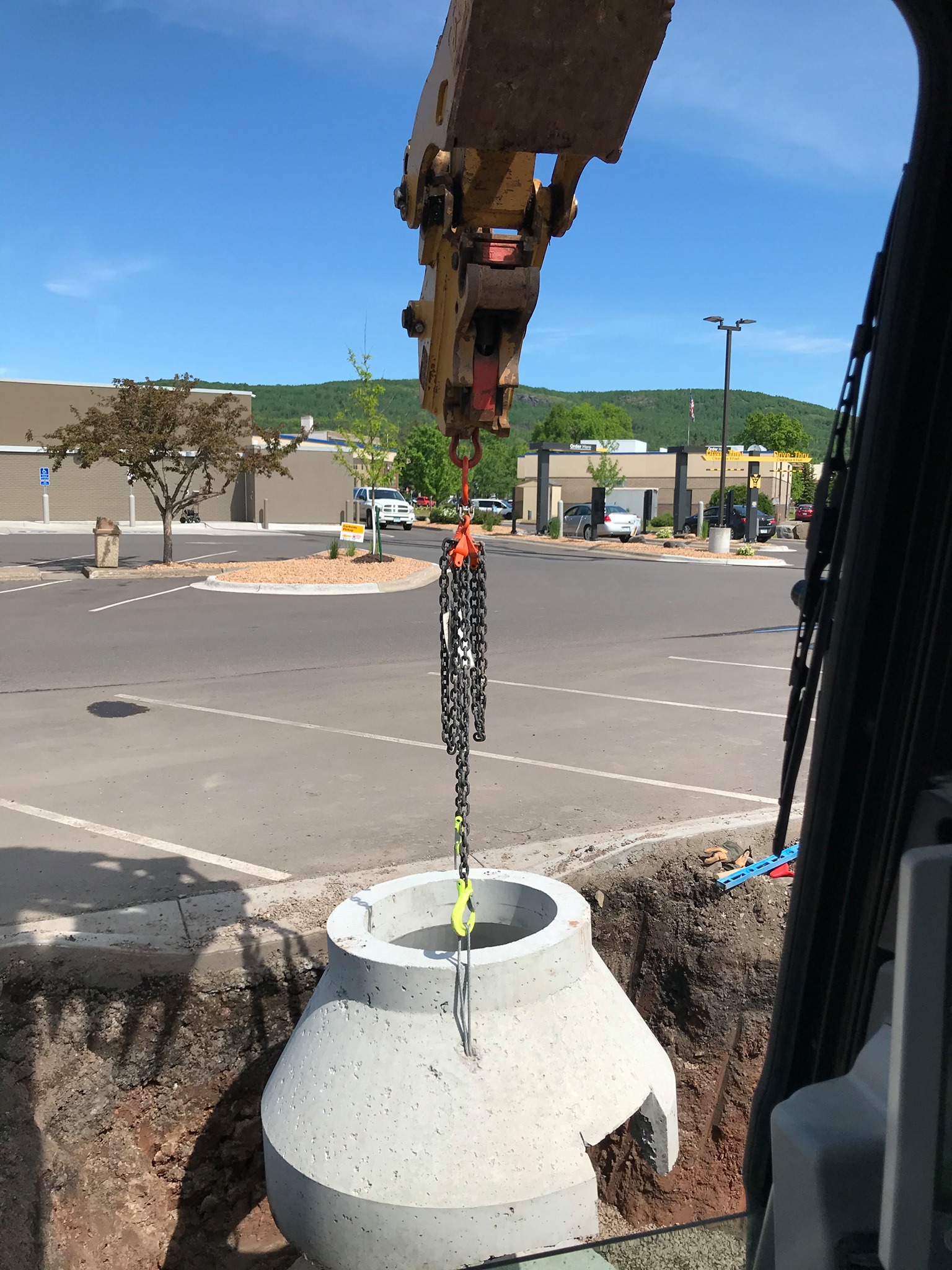
Retention systems permanently hold water, allowing it to infiltrate into the ground or evaporate over time. These include retention ponds with permanent water pools and infiltration basins. Detention systems temporarily hold water during peak flows and release it slowly afterward. Both systems reduce downstream flooding and erosion while often providing water quality benefits. The best choice depends on your site conditions, soil types, and regulatory requirements.
How do you handle drainage on properties with clay soils?
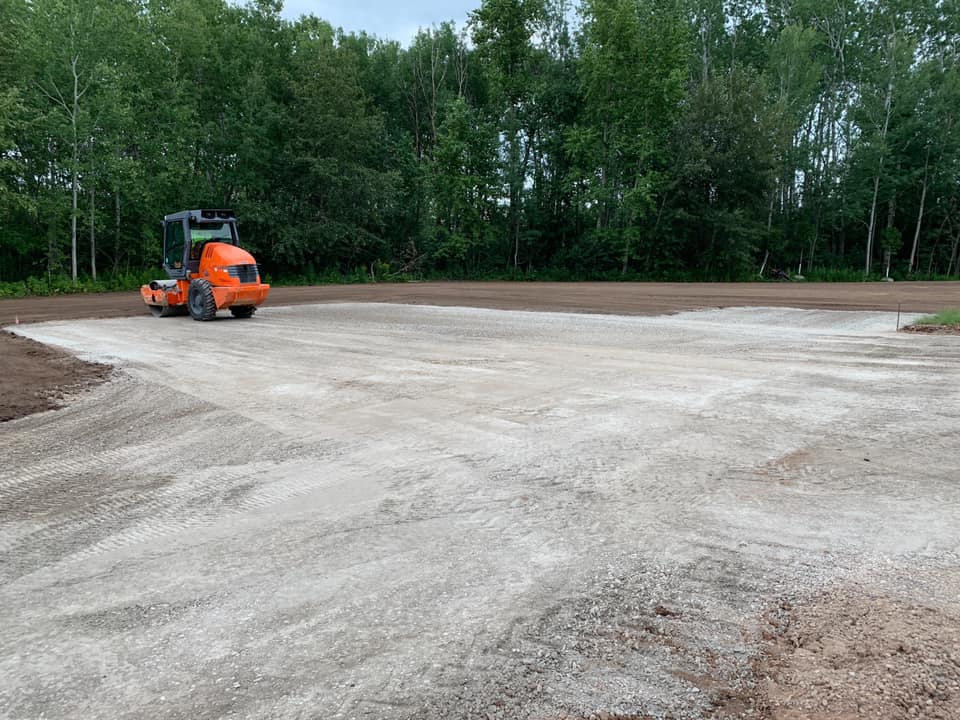
Clay soils present drainage challenges due to poor infiltration and expansion when wet. Our approach for clay soils includes more extensive subsurface drainage networks, soil amendments to improve structure in key areas, properly designed swales with adequate slope, and sometimes engineered solutions like dry wells with sand/gravel surrounds. We may also recommend strategic regrading to ensure positive surface drainage away from structures.
Can drainage systems be installed in existing landscapes with minimal disruption?
Yes, we specialize in retrofitting drainage solutions with minimal impact on established landscapes. Techniques include directional boring for pipe installation, strategic trenching between valuable plants, careful hand-excavation near trees, and restoration with matching materials. While some disruption is inevitable, our experienced team minimizes impact and ensures proper restoration of disturbed areas after installation.