What permits are typically required for infrastructure projects?
Infrastructure projects generally require multiple permits depending on scope and location. These may include municipal construction permits, watershed district approvals, MPCA permits for stormwater management, DNR permits for work near water bodies, and utility company approvals. Our team handles the permitting process to ensure all regulatory requirements are met before construction begins.
How do you ensure infrastructure systems will withstand Northern Minnesota winters?
We design and construct infrastructure with our harsh climate in mind, including proper frost depth for underground utilities (typically 7-8 feet), appropriate materials that resist freeze-thaw cycles, flexible joints that accommodate ground movement, and drainage systems that prevent ice damage. Our decades of local experience inform every aspect of our infrastructure construction.
What's involved in road construction for new developments?
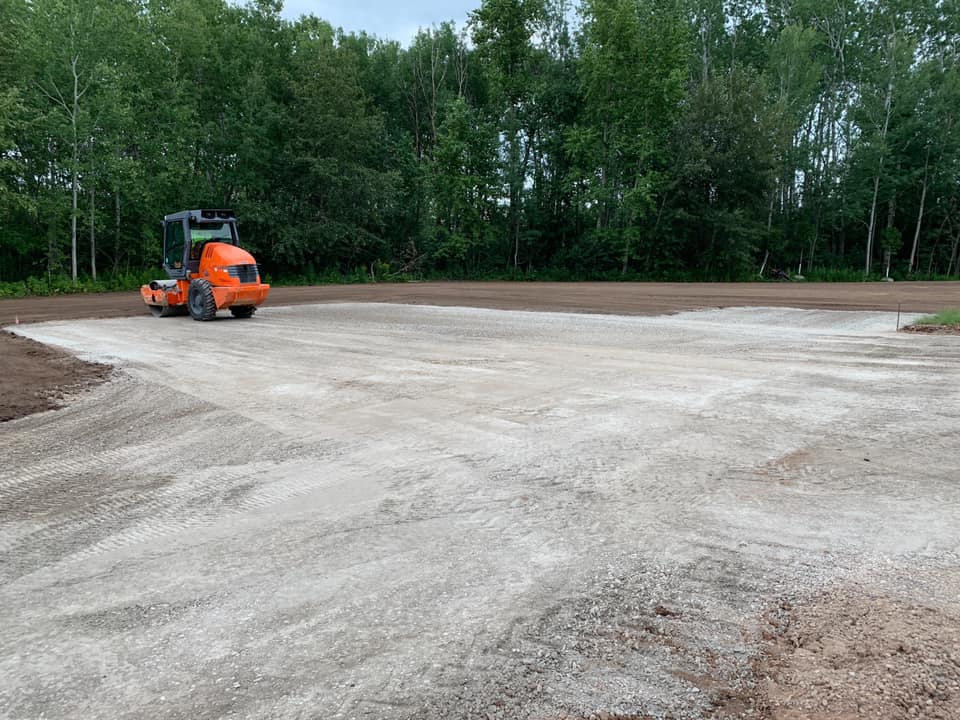
Road construction for new developments involves multiple phases including subgrade preparation, installation of drainage systems, placement and compaction of aggregate base, curb and gutter installation, and final paving. We coordinate with utility installations to minimize conflicts and ensure proper sequencing of all construction activities.
How do you coordinate multiple utility installations in a single project?
We use comprehensive utility coordination planning that establishes proper depths and horizontal spacing for each system according to code requirements. Our team works with utility companies and engineers to develop detailed installation sequences, identify potential conflicts before construction, and ensure proper protection where utilities cross. This coordination minimizes delays and prevents costly conflicts.
What stormwater management approaches do you implement in infrastructure projects?
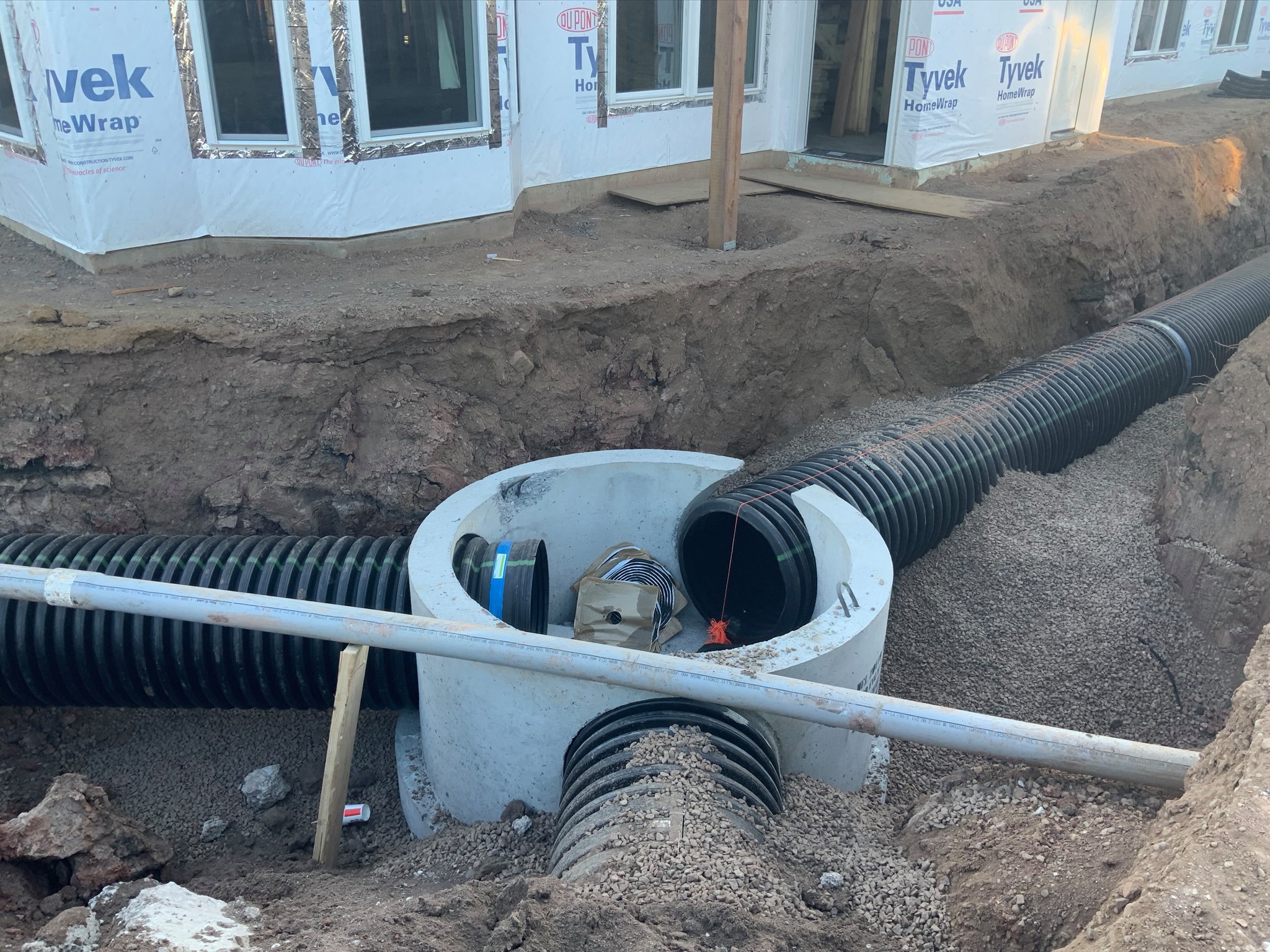
Our stormwater management solutions include retention and detention ponds, underground storage systems, infiltration basins, rain gardens, and treatment devices that remove pollutants. We design each system to meet local watershed requirements while effectively managing water quantity and quality. Our approach integrates stormwater management with other infrastructure components for efficient land use.
How do you minimize disruption to existing services during infrastructure construction?
We develop detailed phasing plans that maintain essential services throughout construction. This includes temporary connections, bypass pumping for sewer systems, and careful scheduling of shutdowns. We also implement comprehensive traffic management plans for road projects and maintain clear communication with affected property owners throughout the construction process.